The Soil Health Nexus is hosting a series of informal soil health webinars featuring Extension soil health experts and researchers from across the region, who will discuss the latest soil health research, resources, and news. The webinars take place monthly; they are an hour long, with a 20-minute presentation, followed by 10 minutes of Q&A, and then a casual 30-minute Digital Café where attendees can continue discussing the topic in more depth with Soil Health Nexus members.
Upcoming Digital Café Episode
Yield Stability as an Indicator of Soil Health
Wednesday, October 21 at 2 pm CT
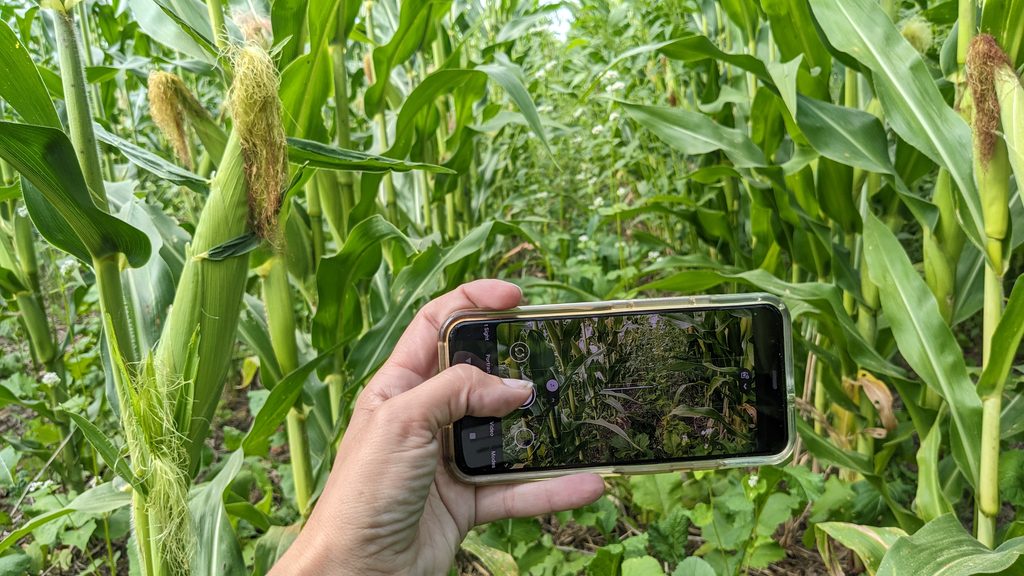
This edition of the Soil Health Nexus will feature Rich Price with Michigan State University Extension who will share data collected through precision agriculture implementation and discuss the important role digital agriculture can play in teaching soil health principles.
Latest Digital Café Episodes
Does planting cover crops pay?
This webinar was originally broadcast on August 19th 2026.
The August edition of the Soil Health Nexus Digital Café, featured Michael Langemeier, Director of the Center for Commercial Agriculture at Purdue University. In this presentation, Michael discussed cover crop adoption and presented three economic scenarios related to key benefits associated with cover crops.
Soil and Human Health
This webinar was originally broadcast on July 15, 2026.
This July 2026 edition of the Soil Health Nexus Digital Café featured Dr. Jonathan Brevik, Professor of Soils and Geology at Southern Illinois University, as he discussed the ways soil influences our health. Soils provide the nutrient base for our food and the majority of modern medicines, but they can also cause disease. Dr. Brevik highlighted many connections between soils and human health and discuss pressing future research needs in this area.