Citizen Science
Looking to incorporate citizens into on-farm research? There are many different types of individuals, activities, and partners to consider incorporating. Most importantly, it is essential to ensure that these activities align with your research protocol. Learn how through our toolbox of citizen science resources. Filtered navigation for these resources is below.
Groups to Engage
Possible Adult Groups
- Garden Clubs
- County Sanitarians
- Farmers
- Agronomists
- Watershed Groups
- Water Development Districts or Conservancy Districts
- Soil and Water Conservation Districts
- Environmental Groups
- Master Naturalists/Gardeners
- Farm Bureau
- Elected Officials
- Women in Agriculture
- Agricultural Technical Organizations
- Pheasants Forever
- Ducks Unlimited
- The Nature Conservancy
- Lake Associations
- Wild Turkey Federation
- Fisheries organizations
- National Wildlife Federation
Possible Youth Groups
- FFA
- 4-H
- Advanced Science (groups)
- Science Clubs
- Community Colleges
- Boy/Girl Scouts
- Home Schoolers
Examples and Curriculum
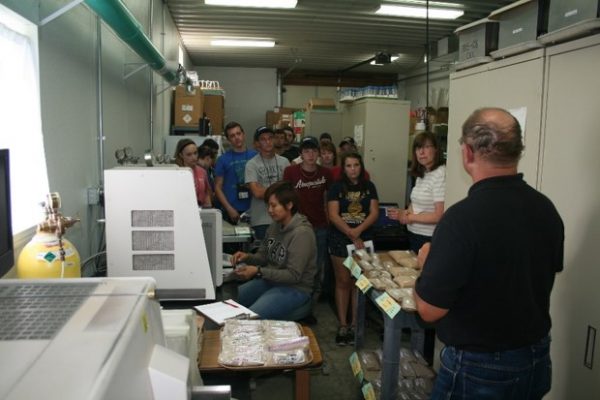
Sometimes, the collection of data can be a big project. If you’ve ever heard the phrase “many hands make light work”, know that it can apply to some aspects of on-farm research.
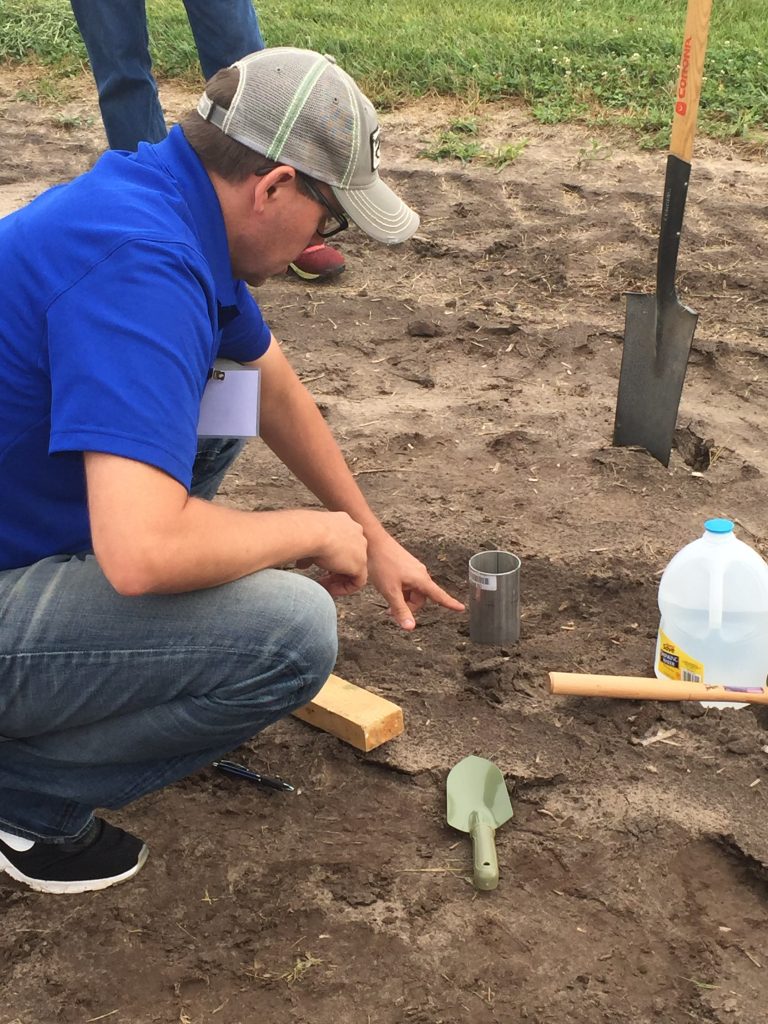
Citizen scientists may be available to take in-field, real-time, soil health measurements such as:
- Cover crop biomass data
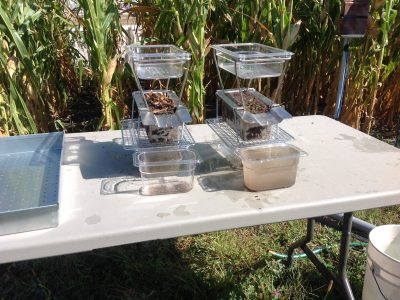
- Soil slaking data
- Water quality data
- Infiltration
- Bulk density
- Penetrometer readings
- Earthworm counts
- Residue measurements
- Soil Temperature
- Whitey-Tighty/ Tea bags Demo
Ongoing Projects
If you have a group that is already collecting soil information, you might consider helping other organizations gather data by learning more about larger projects and initiatives related to soil health.
Farmer Networks
Sometimes, the best learning tool is discussion. Encourage farmers to create their own local network to discuss soil health topics.
Some ideas might include:
- Using social media or group texts to report to each other what they are seeing in their fields, or ask questions about what they are seeing in their fields.
- Reporting runoff events (Water Quality)
- Participating in
- online forums like Ag Talk
- Social media groups like Everything Cover Crops
- Conversations about soil health tests